
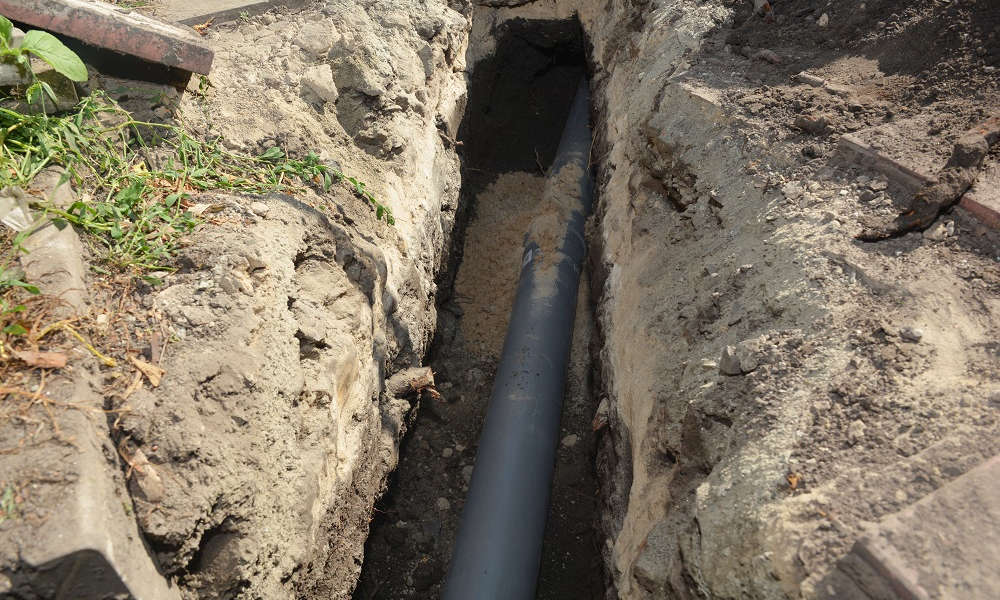
A sewer line problem rarely starts with a dramatic collapse, but the warning signs can escalate fast. Slow drains, sewage odors, and recurring backups can point to damage beneath the yard or driveway. In Youngstown, older infrastructure and shifting weather patterns can add extra pressure to buried lines.
Early diagnosis helps homeowners avoid repeated clogs and costly interior cleanup. Many residents call a sewer repair plumber in Youngstown when drain issues keep returning despite basic clearing attempts. A professional inspection can identify the cause and confirm the best repair method. This step helps homeowners in Youngstown protect their property and reduce long-term risk.
Tree Root Intrusion Into Older Pipes
Tree roots seek moisture, and small pipe joints can release enough water to attract growth underground. Over time, roots can force their way into seams and create blockages that trap waste and debris. In Youngstown neighborhoods with mature trees, root intrusion is a common cause of recurring backups.
Root pressure can also crack older clay or cast-iron sections and widen small openings. Once roots enter, normal flow slows, and blockages become harder to clear. Professional cutting and repair can restore function and reduce repeat problems.
Age-Related Corrosion and Material Breakdown
Many sewer lines in older homes use materials that degrade after decades of use. Cast iron can corrode, and clay tiles can shift or fracture as the ground changes. These issues can lead to leaks, rough interiors, and frequent buildup inside the pipe.
Corrosion can also create weak spots that collapse when soil pressure increases. As the pipe wall thins, it becomes more vulnerable to heavy rain saturation and ground movement. A camera inspection can confirm whether repair or replacement is the safer option.
Ground Shifting and Freeze-Thaw Cycles
Soil movement can misalign joints, especially when the ground expands and contracts across seasonal changes. Freeze-thaw cycles can shift soil around the line and increase stress on older connections. In Youngstown, these seasonal patterns can contribute to cracks and separated joints over time.
Heavy moisture can also soften soil and reduce support beneath the pipe. When the line loses support, it can sag, which creates low points that collect waste. These bellies slow drainage and increase the chance of backups.
Grease Buildup and Improper Flushing
Household habits can strain sewer lines even when the pipe material remains intact. Grease can cool inside the line and trap food particles, which leads to stubborn buildup. In homes in Youngstown, repeated grease disposal can cause slow drains and chronic clogs.
When backups repeat, a sewer repair plumber in Youngstown can identify grease blockages, remove hardened buildup, and check for damage caused by pressure. Professional clearing tools restore flow more completely than basic chemicals, which can miss heavy deposits. Expert guidance also helps homeowners adjust disposal habits and reduce future clogs.
Heavy Rain and Infiltration Through Weak Joints
Cracks and loose joints can allow groundwater to enter the sewer line during heavy rain. This infiltration adds volume that the system was not designed to handle and can trigger backups. For Youngstown homeowners, storm-related sewer problems can show up as gurgling drains and basement moisture.
Water entry can also carry soil into the pipe and create new blockages. Over time, erosion around the pipe can worsen the damage and increase the risk. Sealing, lining, or targeted replacement can address infiltration points.
Sewer line damage in Youngstown can come from roots, corrosion, soil movement, and poor disposal habits inside the home. Heavy rain can also expose weak joints and trigger backups that disrupt daily life. With early inspection and timely repairs, homeowners can reduce risk and protect long-term property value.