
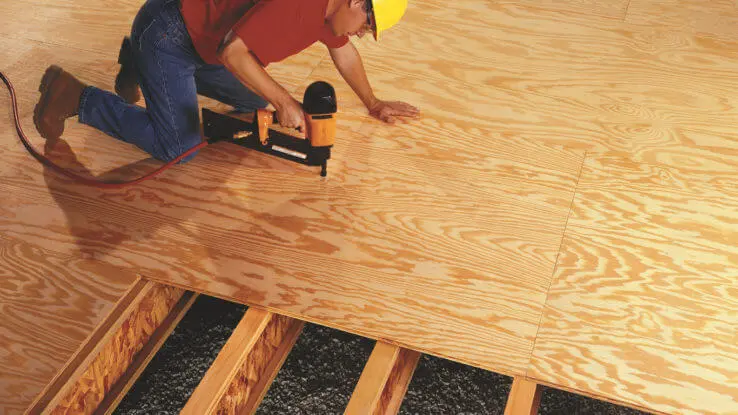
Subfloor design has become a major focus for homeowners who seek durable and steady surfaces. A strong base protects the finished surface from cracks, squeaks, and unwanted structural movement under pressure. Expert installation with the right materials ensures that each layer performs reliably and stays stable. Proper insulation within this layer controls temperature changes and resists moisture infiltration from below.
In this context, understanding ‘what is sub flooring’ becomes crucial for achieving dependable and beautiful floors. The subfloor works as the unseen strength that connects comfort, safety, and visual appeal inside every space. Homeowners value strength, quiet floors, and protection against costly issues caused by unnoticed weaknesses or moisture. This article helps readers discover essential facts that ensure every new project starts strong.
1. The Role Of The Subfloor
A subfloor forms the solid base that holds the entire weight of a structure above. This layer provides stability, prevents sagging, and ensures the surface remains level across every corner of a room. Without a proper base, finished structures might fail under daily movement and heavy furniture pressure. Expert installation and quality materials strengthen the subfloor and improve overall flooring durability for years.
2. Choose The Right Type For Every Space
Every area in a building requires a subfloor type suitable for its environment and purpose. Plywood offers a strong, balanced surface ideal for wood and laminate flooring in dry spaces. OSB gives cost efficiency while still delivering strength, though moisture protection is essential in damp zones. Proper planning and durable installation systems enhance strength and performance, no matter the room conditions.
Here are the most popular types of materials among homeowners:
- Plywood: Offers a flat, durable surface ideal for hardwood, bamboo, and laminate floors.
- Oriented Strand Board (OSB): Dense, affordable, and strong, though slower to dry than plywood.
- Concrete: Common in basements and high rises; strong but needs inspection for cracks and moisture.
3. Know Why Subfloors Make A Difference
The subfloor does more than simply support the upper layers inside any structure or building. It minimizes squeaks, avoids cracks in tiles, and keeps surfaces smooth under constant pressure. A reliable base ensures that the surface stays attractive, which avoids future replacements or costly repairs. Professional solutions bring precision and stability that ensure the entire structure performs reliably over time.
4. Ensure Professional Inspection For Moisture Or Damage
Before installing any new surface, professional inspection of the subfloor for moisture or weakness remains essential. Water exposure can create rot or mold, which eventually damages the visible structure above, completely beyond repair. Experts identify cracks or soft spots to prevent long-term issues and keep the surface structurally secure and stable. They use proper techniques and proven materials during preparation to ensure every project starts from a solid foundation.
5. Prepare The Surface For Better Performance
A smooth, clean, and stable surface makes every project easier and far more effective overall. Tightening loose panels and filling gaps prevents noise and increases the firmness of the base support. Even leveling enhances alignment, so the materials connect across wide rooms without visible imperfections. Teams of professionals with specialized tools guarantee that this preparation step results in long-term comfort and strength.
6. Match Surface Types With The Right Options
Each material demands a specific subfloor structure to achieve balance, safety, and long-term durability. Hardwood pairs best with plywood bases, while tiles perform best over cement board or stable concrete. Vinyl and laminate benefit from even OSB layers that control moisture and maintain flexibility underneath. Reliable installation combined with high-grade materials ensures both layers remain strong and visually perfect for decades.
A well-built subfloor defines how a surface feels, sounds, and lasts through daily use. Learning more about this hidden layer reveals how small choices can create lasting comfort and reliability. Those eager to enhance their homes can explore ‘what is sub flooring’ to gain valuable insights. Discover the foundation behind durable options and make wise choices that strengthen every living space.