
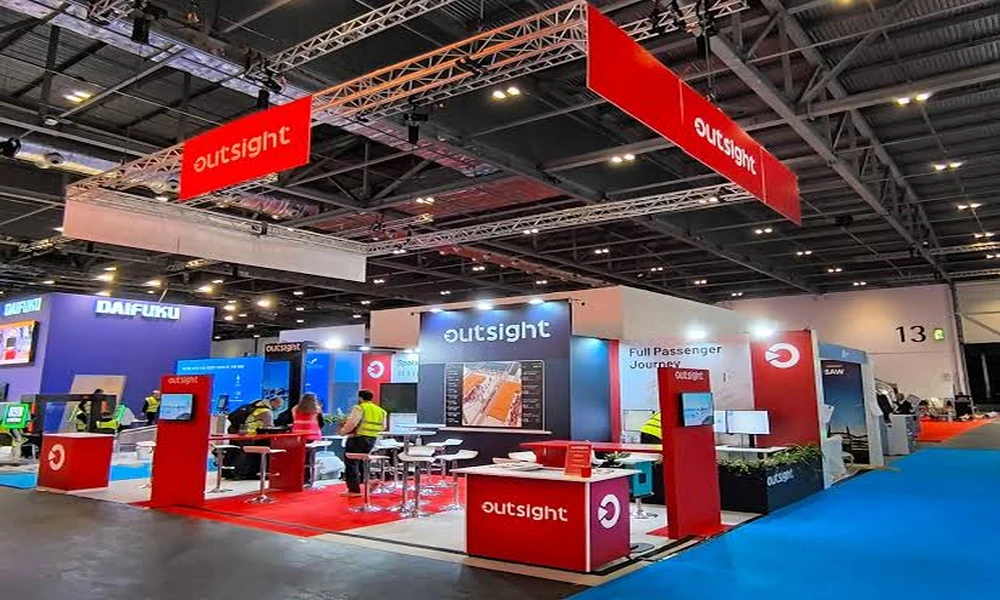
Businesses new to trade shows often choose an exhibition contractor by comparing prices for what appears to be the same stand. The drawings may look alike, but the companies behind them can differ greatly in what they own, whom they employ and how well they know the venue. An exhibition company singapore exhibitors appoint is responsible for a fixed deadline that cannot slip by a day, so the selection ought to rest on evidence of delivery more than on the lowest quotation.
Be Clear About What You Need
Contractors range from designers who outsource all production to builders with no design team. Some provide only stand construction; others manage graphics, furniture, audio-visual equipment, logistics and staffing as well. Decide which of these the business wants handled externally and which it will manage itself. A written brief stating objectives, stand size, products to be shown, budget range and the show dates lets every company respond to the same request. It also shows the contractors that the client is organised, which tends to improve the quality of their response.
Check Experience at the Venue
Each exhibition centre has its own loading arrangements, access times, rigging rules and official suppliers. A contractor who has built there before will know how long deliveries take, where delays occur and what the venue’s safety officers look for. Ask which halls the company has worked in recently and for which kinds of show. Familiarity with the organiser’s approval process also reduces the risk of a design being rejected late. Experience overseas is useful, but it does not replace knowledge of the local halls.
Workshop and Production Resources
Visit the workshop if possible. Its size, the condition of the equipment and the stands under construction say a good deal about capacity. Ask how many projects the company runs for the same show, since a firm stretched across many stands may give each less attention. In-house carpentry, metalwork, painting and large-format printing shorten communication lines when a late change is needed in the final week. Where work is subcontracted, ask who the subcontractors are and how long they have been used.
Design Capability and Original Thinking
A good design team asks about customers, products and what success would look like before drawing anything. Be cautious of proposals that arrive quickly and resemble work done for others. Ask who will actually design the stand and whether that person will see it through to site. Companies with a background in themed and experiential spaces often bring a stronger sense of how visitors move and take part, which helps on stands built around demonstration.
Project Management and Communication
One named project manager should be responsible from briefing to dismantling, and should be present on site during build-up. Ask how progress will be reported, how changes are priced and approved, and who has authority to make decisions out of hours. The handling of the quotation stage is a fair preview: slow replies, vague answers or missed details before appointment seldom improve once the contract has been signed.
Safety Record and Compliance
Stand building involves work at height, power tools, heavy components and tight timescales. Reputable contractors brief their crews, issue protective equipment and follow the venue’s rules on fire-retardant materials, electrical work and structural certification for taller stands. Ask how these are managed and whether the company carries appropriate insurance. An incident on a stand during build-up can halt work and reflects directly on the exhibitor whose name is on it. Written risk assessments and method statements should be available on request.
Reading the Quotation
Insist on an itemised quotation covering design, structure, flooring, graphics, lighting, furniture, audio-visual equipment, transport, installation, dismantling and storage. Check which organiser charges, such as electricity and rigging, are included and which will be billed separately. Clarify whether the stand is sold or hired, and who owns the components afterwards. Payment stages should relate to progress, and the terms for changes and cancellation should be written down.
Support During and After the Show
Problems arise during open days: a light fails, a graphic lifts, a screen stops working. Ask whether a technician will be available on call throughout the show and how quickly they can attend. After closing, the contractor should dismantle promptly, return the exhibitor’s property and report on anything damaged. Companies that offer storage and refurbishment make later shows cheaper, provided the stored items are listed and their condition recorded.
References and Long-Term Fit
Speak to two or three recent clients, ideally with stands of a similar size, and ask what went wrong as well as what went right, and how it was resolved. A contractor who will work with the business over several shows learns its products and preferences, and each stand improves on the last. That continuity is worth more than a marginal saving obtained by re-tendering every event from the beginning.
Reaching a Decision
Shortlist companies that have built at the venue, can show finished stands of comparable scale and offer a named manager. Compare itemised prices against an identical brief, and weigh reliability above small differences in cost. For brands with shops as well as show stands, a firm that also carries out retail store fit-outs can keep fixtures, finishes and graphics consistent across both, and may reuse components between them.