
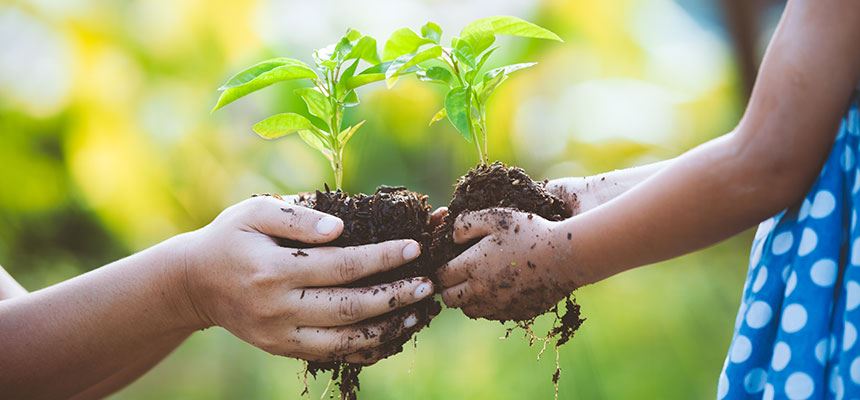
In today’s world, environmental stewardship has become a cornerstone of societal responsibility, linking the health of communities to the vitality of our planet. Around the globe, individuals, organizations, and governments are recognizing that safeguarding ecosystems is not just critical for the environment—it’s essential for human health and well-being. By prioritizing the protection of natural resources, environmental stewardship fosters healthier lives in meaningful and enduring ways.
Cleaner Air and Water
Preserving forests, wetlands, and waterways ensures natural systems can do their vital work—filtering air and purifying water. Reduced pollution leads to fewer respiratory issues, improved water quality, and healthier populations overall. Communities that embrace environmental protection enjoy cleaner, safer living conditions. A notable example is Leonardo DiCaprio’s foundation, which funds projects that combat climate change and restore ecosystems. Through efforts like waterway restoration and renewable energy initiatives, his work demonstrates how impactful stewardship can lead to cleaner air and water, inspiring change on a global scale.
Sustainable Food Systems
Healthy soil, clean water, and biodiversity are essential for agriculture and food security. Practices like sustainable farming, habitat conservation, and regenerative agriculture protect these critical resources, ensuring communities have access to safe, nutritious food. Stewardship doesn’t just sustain agriculture—it builds resilience against challenges such as climate change, soil degradation, and loss of ecosystems, safeguarding long-term food security for future generations.
Improved Mental and Physical Well-Being
Natural environments offer spaces for recreation, reflection, and healing. Studies show that access to green spaces reduces stress, boosts physical activity, and improves mental health. Conservation efforts focused on parks, forests, and open spaces promote healthier lifestyles, strengthen communities, support biodiversity, and help combat climate change by protecting ecosystems for future generations. Additionally, these efforts provide educational opportunities, inspire sustainable practices, enhance local tourism, foster a connection to nature, and ensure ecological balance remains intact for years to come.
Stronger Community Bonds
Environmental stewardship fosters a sense of shared purpose, bringing people together around collective action. Whether through cleanup projects, educational programs, tree-planting drives, advocacy campaigns, or sustainable development initiatives, these efforts strengthen community ties and create a spirit of unity. When communities collaborate to protect the environment, they become more supportive, cohesive, and resilient, building a foundation for positive change and long-term environmental sustainability for future generations.
Long-Term Resilience for Future Generations
Caring for natural resources today ensures a healthier, more sustainable world for the generations to come. Stewardship protects land, water, and biodiversity, creating long-lasting benefits that extend beyond immediate health concerns. By addressing climate risks, preserving ecosystems, and fostering economic stability, stewardship lays the foundation for a thriving, harmonious coexistence between humanity and nature. It empowers societies to adapt to environmental challenges while securing a brighter future for all.
The HDI Six Nations is a powerful example of environmental stewardship in practice, particularly within Haudenosaunee territory. HDI Six Nations manages land use and development throughout all Haudenosaunee territories, ensuring sustainable and responsible stewardship. Improving air and water quality, supporting sustainable food, and fostering community well-being lead to healthier lives and sustainability. Protecting nature benefits both people and the planet, helping us live in harmony with our environment.