
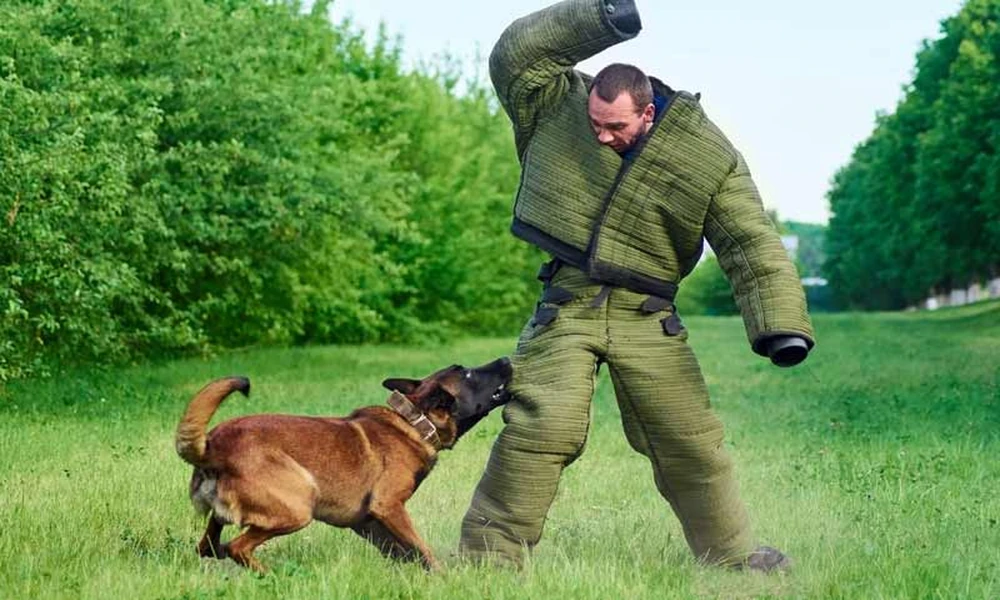
Long before smart cameras, alarms, and other modern security tools, people relied on dogs to help protect their homes. A loyal k-9 guard dog can alert a family when someone unfamiliar approaches and can provide a strong sense of security. However, turning a friendly pet into a reliable guard dog takes time, patience, and proper training. The goal should not be to make your dog aggressive. Instead, your dog should learn how to stay calm, follow commands, recognize normal situations, and alert you when something seems wrong.
1. Prepare Your Dog for Guard Dog Training
Choose the Right Dog
Not every dog is suited to become a guard dog, and that is perfectly fine. Some dogs are naturally more alert, confident, loyal, and willing to follow commands. These qualities can make training easier.
Breed can also play a role, but it is not the only thing that matters. A dog’s age, personality, health, and past experiences are also important. A large dog may look intimidating, but size alone does not make a good guard dog. A smaller dog with excellent hearing and a strong alert response may be very good at warning a family when someone is nearby.
Before starting serious training, think about your dog’s personality. A dog that is nervous around people or easily scared may not be a good choice for guard work. Your goal should be a confident dog that can respond to you without becoming overly aggressive.
Start With Basic Obedience
Every guard dog should first learn basic obedience. Commands such as sit, stay, come, leave it, and heel give you better control over your dog and create a strong relationship between you and your pet.
Reliable recall is especially important. Your dog should come to you when called, even when there are distractions nearby. Begin training in a quiet area and reward your dog with treats, toys, praise, or play when they respond correctly. As your dog improves, slowly introduce more distractions.
Keep training sessions short and positive. Dogs learn better when training feels like a rewarding activity rather than a punishment. Daily practice can help your dog remember important commands and respond quickly when you need them.
Focus on Socialization
A common mistake is thinking that a guard dog should dislike strangers. In reality, good socialization is an important part of safe guard dog training.
Your dog should become comfortable around different people, pets, sounds, and places. Take your dog on walks and allow them to experience normal daily activities in a safe and controlled way.
The goal is not for your dog to greet every stranger. Instead, your dog should be able to stay calm when a person walks past the house or approaches you. This helps your dog learn the difference between normal activity and something that may need your attention.
Teach Barking on Command
An alert bark can be useful because it can warn you that someone is approaching without requiring the dog to attack anyone.
To teach a speak command, find something that naturally makes your dog bark, such as a doorbell. Say your chosen command just before your dog barks, then reward the dog after the bark. With regular practice, your dog can learn to connect the command with the behavior.
It is just as important to teach a quiet command. A dog that keeps barking at every sound can become stressful for the entire household. Teaching both commands gives you more control over when your dog should alert you and when it should stop.
Help Your Dog Understand Its Home Area
A guard dog should know where it is expected to stay and watch. Regular walks around your property can help your dog become familiar with the area.
Walk around the yard, driveway, gates, and other parts of the property with your dog. Always keep safety in mind and make sure your dog cannot escape into the street or approach people without your control.
Consistency is important. Your dog should understand which areas are part of its normal home environment and where it is allowed to move.
2. Build Safe Guard Dog Skills
Practice With Familiar and Unfamiliar People
Once your dog has strong obedience and social skills, you can work on alert behavior. It is best to do this with a professional trainer or a trusted person who understands dog behavior.
For example, a person your dog does not know can approach the property while you keep the dog under control. When the dog notices the person and gives an alert bark, reward the dog for responding appropriately.
The purpose of this exercise is to teach your dog to alert you, not to chase, bite, or attack someone. Never encourage your dog to become aggressive toward people simply because they are unfamiliar.
Know When Your Dog Is Ready
After several months of training, you should have a better idea of whether your dog is suitable for guard work. Ask yourself a few simple questions:
- Does my dog respond to basic commands?
- Does my dog come when called?
- Can my dog stay calm around strangers?
- Does my dog alert me when something unusual happens?
- Can my dog stop barking when asked?
- Can I safely control my dog in different situations?
If your dog struggles with these skills, it may be better to stop guard training and focus on being a well-trained family pet.
A dog does not need to become a professional working dog to be useful around the home. Even a well-trained pet can provide an early warning when someone approaches your property.
Avoid Teaching Your Dog to Attack
Teaching a dog to bite or attack people is very different from teaching a dog to alert you. Attack training can create serious safety risks, especially in a home where children, visitors, delivery workers, neighbors, and other animals may be present.
A dog that bites the wrong person can cause serious injuries and may also create legal and financial problems for its owner. For this reason, attack or bite training should not be attempted at home.
If you need a dog for professional protection work, seek help from a qualified trainer who has experience with working dogs. For most families, an obedient dog that alerts them to unusual activity is a much safer choice.
Combine Your Dog With Home Security
A dog can be a useful part of a home security plan, but it should not be your only protection. Dogs can sleep, become distracted, or be unable to respond to certain threats.
Combining a trained dog with security cameras, alarms, good outdoor lighting, strong locks, and secure gates can give your home several layers of protection. Cameras can also let you check what caused your dog to bark before you decide how to respond.
The best goal is simple: teach your dog to notice, alert, and listen to you rather than teaching it to attack. With patience and consistent training, your loyal companion can become a dependable part of your home’s security while still being a happy and loving family pet.