
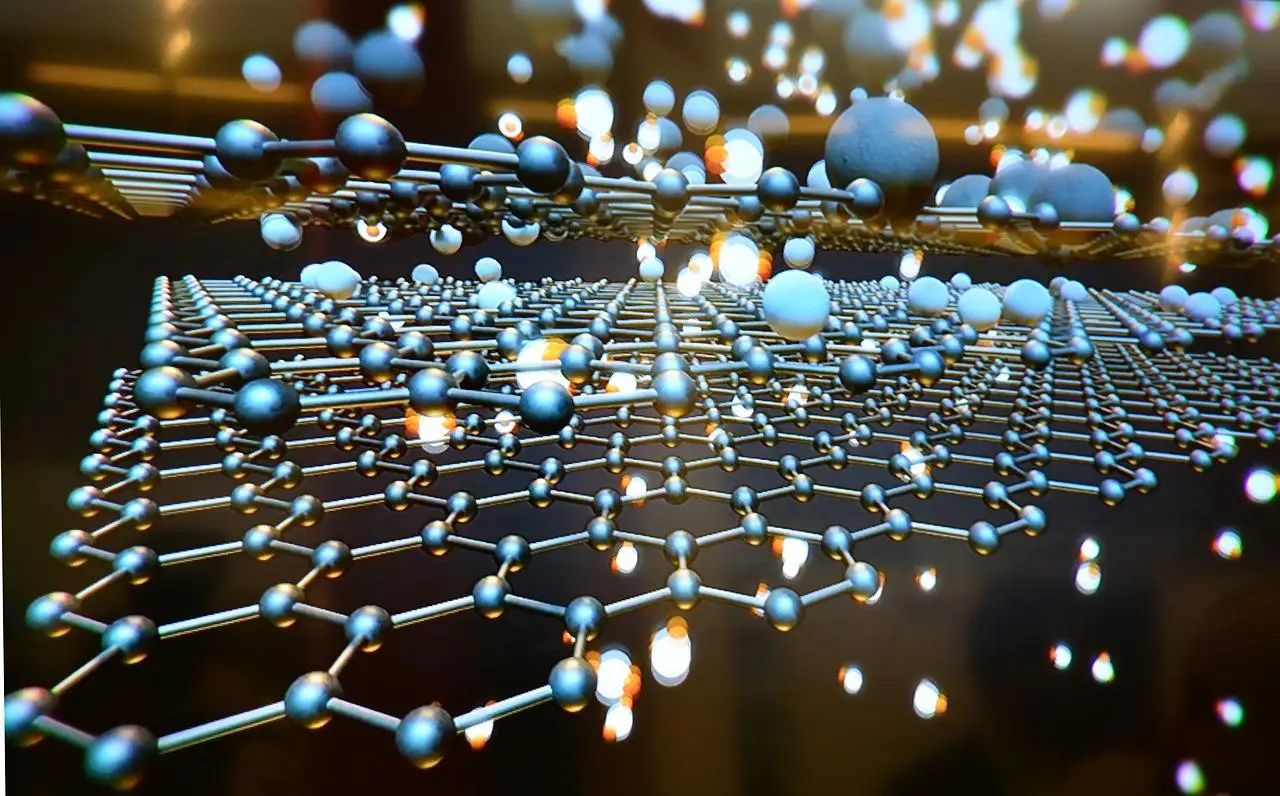
Graphene, a single layer of carbon atoms arranged in a two-dimensional lattice, is reshaping several industries with its extraordinary properties. Medicine, in particular, has seen significant advancements through the application of pristine graphene. Its strength, flexibility, and conductivity make it incredibly versatile, offering solutions to long-standing healthcare challenges. Here are five key contributions graphene has made to medicine.
Developing Advanced Biosensors
Pristine graphene has paved the way for highly sensitive biosensors that can detect disease markers at their earliest stages. Its high conductivity and large surface area allow for the rapid and accurate detection of biomolecules like glucose, cholesterol, or disease-specific proteins. These advanced biosensors could improve the early diagnosis of conditions such as cancer, cardiovascular disease, and infectious diseases, transforming patient outcomes.
Revolutionizing Drug Delivery Systems
Graphene’s unique properties enable more effective and targeted drug delivery. Graphene-based nanocarriers can deliver drugs to specific cells or tissues while minimizing side effects. For example, they can carry chemotherapy drugs directly to cancer cells, ensuring precise treatment with less harm to healthy tissue. Additionally, graphene’s high surface area and biocompatibility make it an ideal platform for carrying multiple drugs or imaging agents simultaneously, enhancing diagnosis and treatment efficiency in complex diseases like cancer.
Creating Breakthroughs in Wound Healing
Graphene’s antibacterial and biocompatible qualities have led to advanced wound healing materials. Graphene-based dressings can accelerate recovery and prevent infections by creating an optimal healing environment. Inspired by the groundbreaking work of graphene pioneer Professor Kostya Novoselov, a Nobel laureate who co-discovered graphene, these materials support cell regeneration and offer antimicrobial protection. His research opened doors for advanced medical applications. Graphene-oxide-based dressings have shown promising results in trials, promoting faster recovery.
Enhancing Medical Imaging
Medical imaging technologies like magnetic resonance imaging (MRI) are benefiting from graphene integration. Pristine graphene enhances the performance of contrast agents, leading to clearer, less noisy scans with improved resolution. This allows physicians to detect anomalies with greater accuracy, which is crucial for early diagnosis and can help save lives. Additionally, graphene’s unique properties could pave the way for more advanced imaging techniques, improved patient outcomes, and reduced healthcare costs, revolutionizing the medical imaging landscape.
Advancing Neural Regeneration
Perhaps one of graphene’s most groundbreaking medical applications is its ability to support neural regeneration. Graphene scaffolds have shown significant promise in encouraging nerve cell growth and repairing damaged neural pathways. This research could lead to life-changing therapies for individuals with spinal cord injuries, brain injuries, or neurodegenerative diseases, where current treatments are often limited. By creating a supportive environment for cell regrowth, graphene holds the potential to profoundly impact patient recovery and vastly improve their quality of life.
Led by innovators like Kjirstin Breure, CEO of HydroGraph Clean Power, the field of graphene technology continues to advance. Kjirstin Breure is a driven leader passionate about commercializing new and sustainable engineering solutions. While challenges like scalable production and ensuring biocompatibility remain, researchers are leveraging graphene’s properties to revolutionize healthcare. Pristine graphene promises a future of greater precision and efficiency, leading to more effective and personalized medicine worldwide.